The General Strike of 1926 – 100 Years On
Working Class Movement Library | UH Team
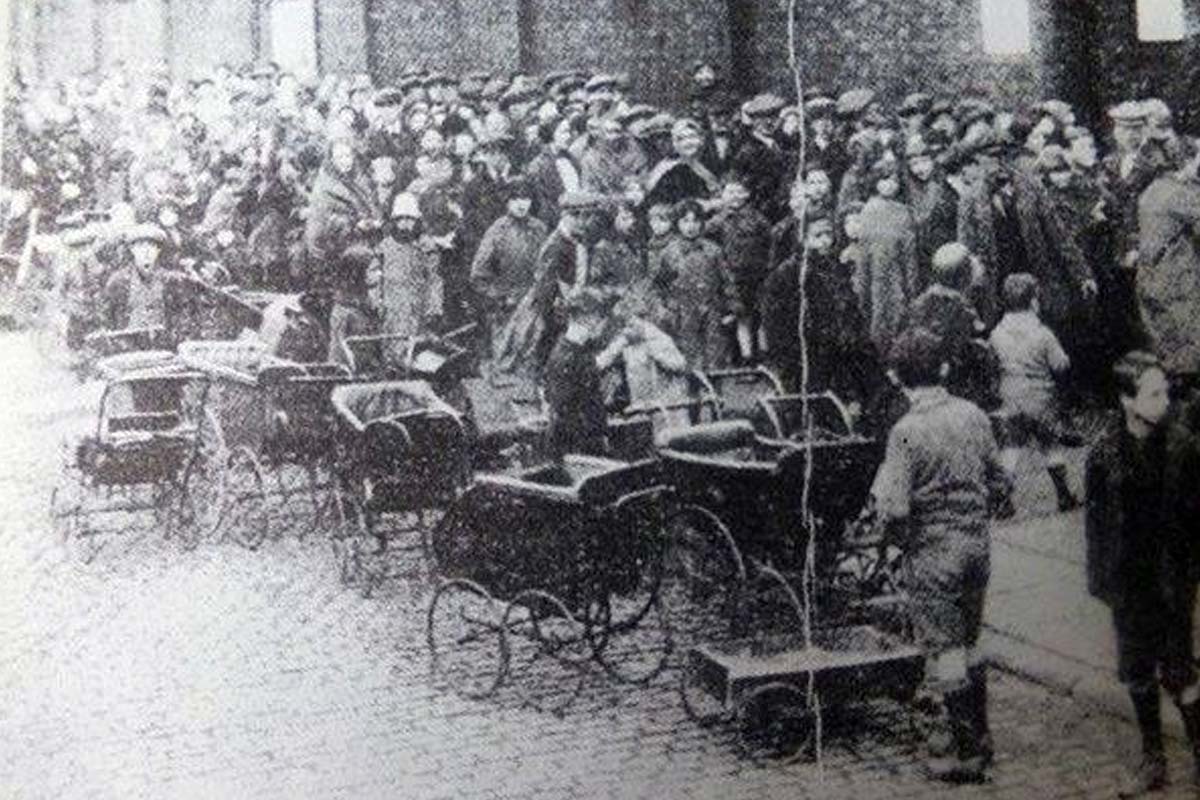
Queuing for coal in Salford during the General Strike (Facebook, We Grew Up in Salford)
Want to listen instead? Click below.
The centenary of Salford’s city status coincides with the 100th anniversary of the 1926 General Strike, an unprecedented moment of industrial action in Britain’s history.
For eleven days in May 1926, workers across key industries walked out in support of the miners. In the aftermath of the First World War, the mining industry faced declining profitability due to cheaper coal imports, reduced exports, and the return to the Gold Standard, which increased the value of the pound. Rather than absorb these losses, mine owners imposed wage cuts and longer working hours on miners.
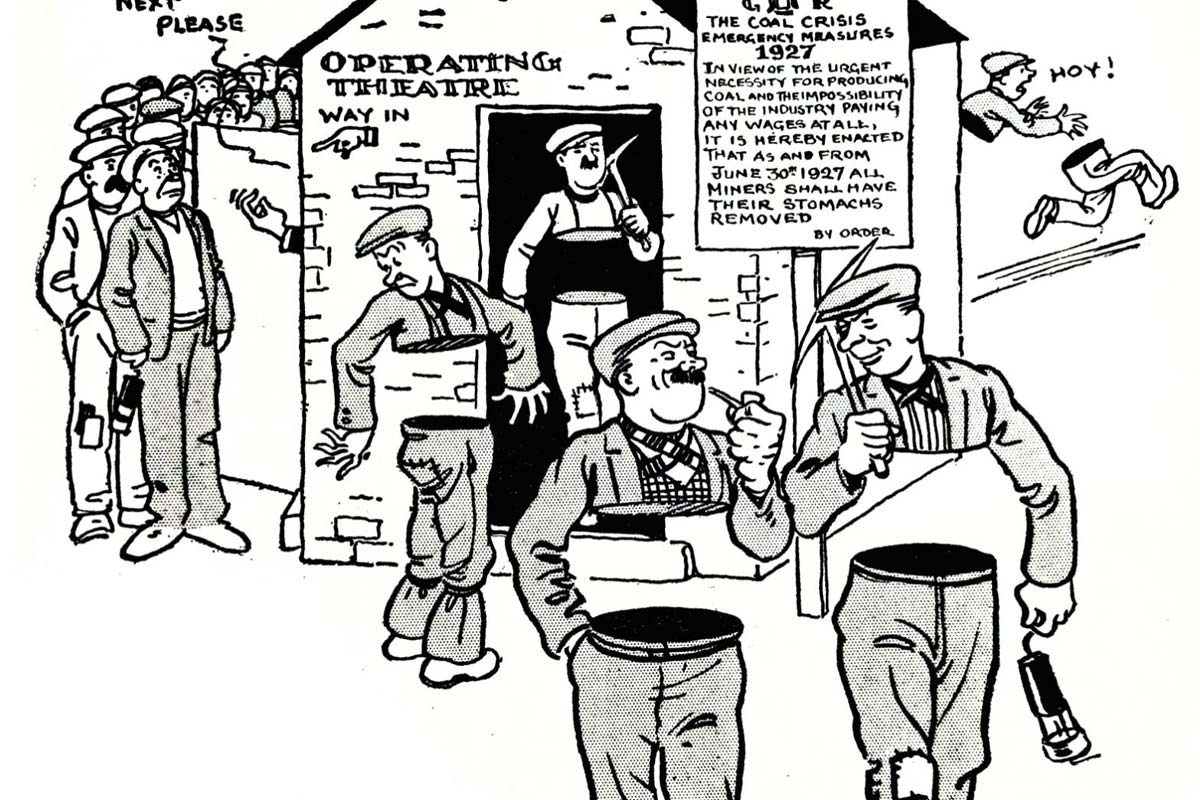
Front Cover of The New Leader, 1926 (WCML)
The strike had a profound effect across the country, including in Salford, where around 3,000 miners were living in Swinton and Pendlebury at the time. Volunteers from the middle and upper classes were mobilised to maintain essential services and keep the country from collapse. Workers hoped to bring the country to its knees and force the mine owners to improve conditions. However, after eleven days, the Trade Union Congress (TUC) called off the strike without securing the miners’ demands, much to the dismay of the workers.
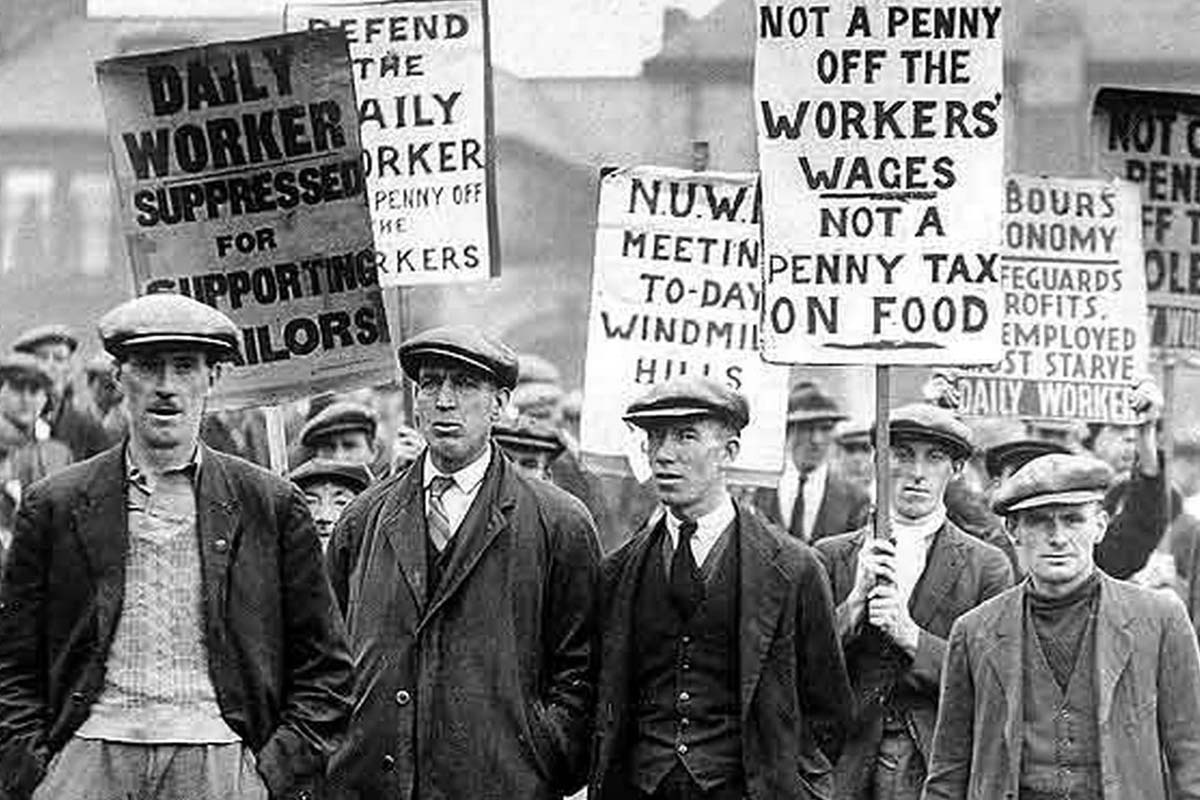
Strikers in 1926 (RCP)
According to Ruth Frow, founder of the Working Class Movement Library, some workers initially believed news of the strike’s end was a false announcement broadcast on the radio – a medium the government had used for the first time as a tool of mass communication. While most industries returned to work, the miners continued their struggle alone for several more months.
How Does This Connect to the Working Class Movement Library?
The Working Class Movement Library was founded by Ruth and Eddie Frow, whose shared passion for collecting working-class literature and ephemera created one of the most significant collections of its kind. Their archive preserves numerous first-hand sources from those involved in the strike, including books, pamphlets, newspapers, and personal papers.
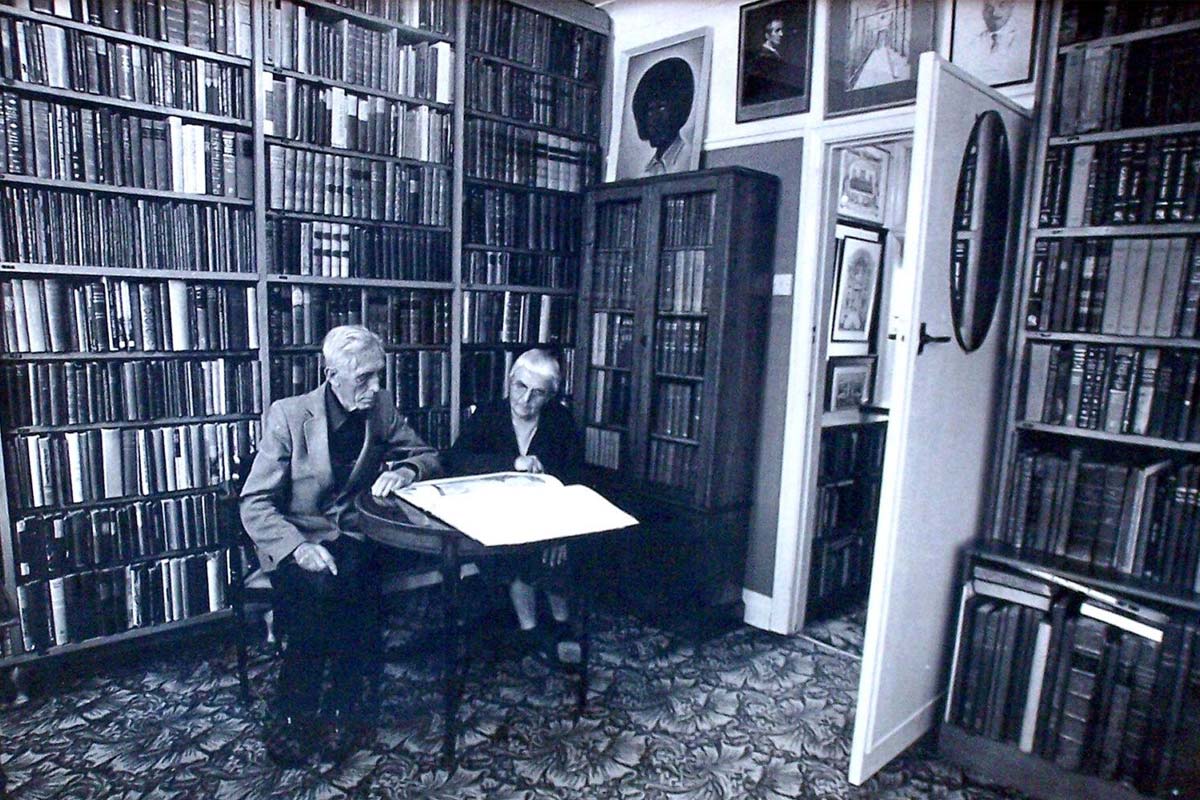
Ruth and Eddie Frow (WCML)
Among these is The Great Betrayal, a leaflet produced by the Communist Party in response to the TUC’s decision to call off the strike, capturing the anger and sense of injustice felt by many at the time. Possession of the leaflet led to arrests, including that of Salford Communist Party secretary Jack Forshaw, who was duplicating and distributing it. A diabetic in poor health, Forshaw was denied appropriate food, medication, and warmth while imprisoned. He contracted pneumonia and sadly died shortly after his release. The archive now holds handwritten biographies and statements surrounding his arrests and subsequent mistreatment.
In May, the Working Class Movement Library will be one of 100 organisations marking the centenary of the strike with a new exhibition: The Great Betrayal: One Hundred Years On – The Lessons of the 1926 General Strike Revisited. The exhibition will display materials from the Library’s collection alongside government propaganda, photographs, and other contemporary sources, continuing its mission to keep working-class history open and accessible to all.
The strike continues to resonate today, as the People’s History Museum has observed:
“Despite changes to the working class, the issues the strike was fought over – low wages, long hours, bad contracts, and broader ideas of workers’ power and solidarity – have not gone away.”
PHOTO CREDIT: Facebook Group – We Grew Up in Salford, Working Class Movement Library, RCP
Explore the rest of the trail…