Secrets Under the Streets
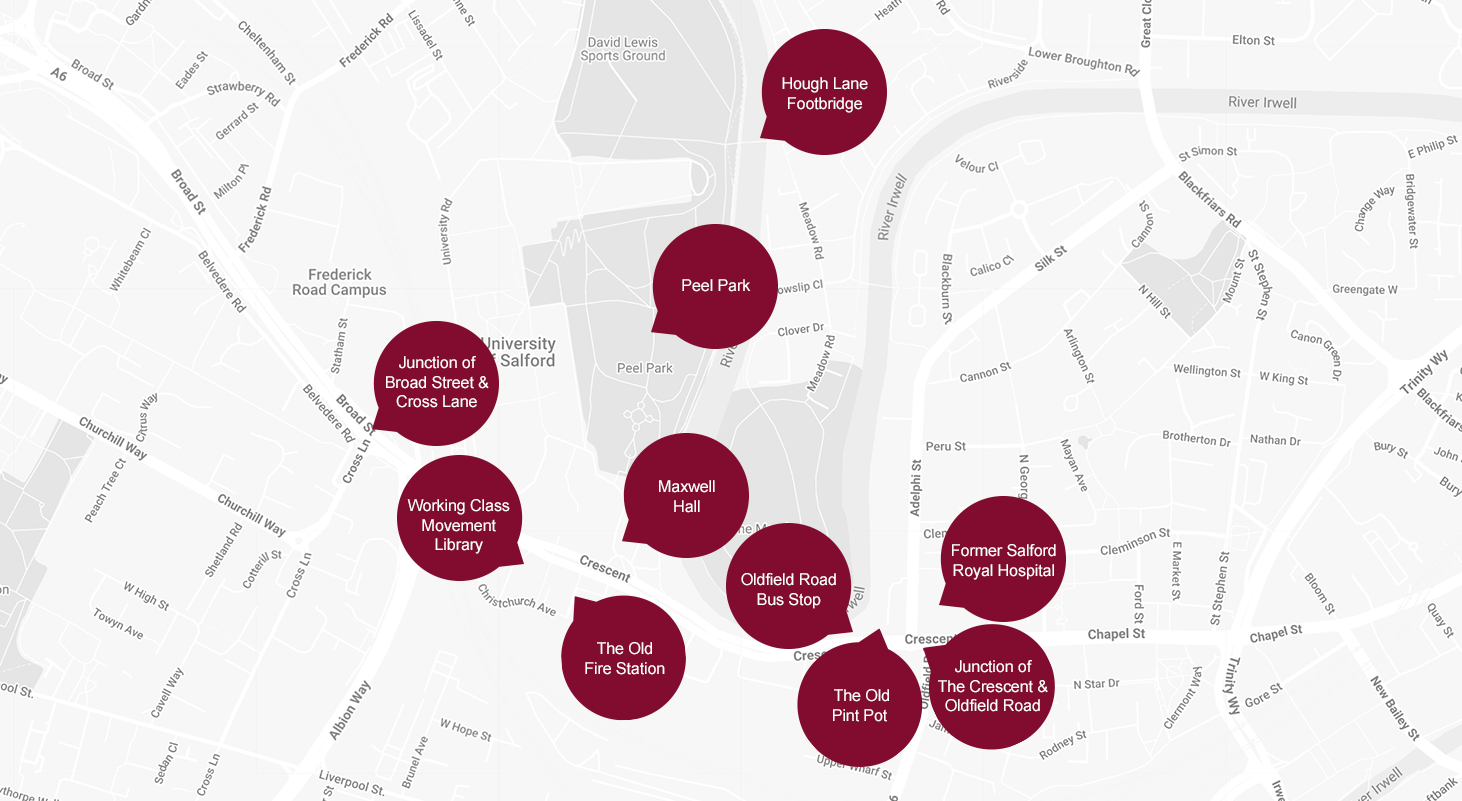
The Old Pint Pot | UH Team
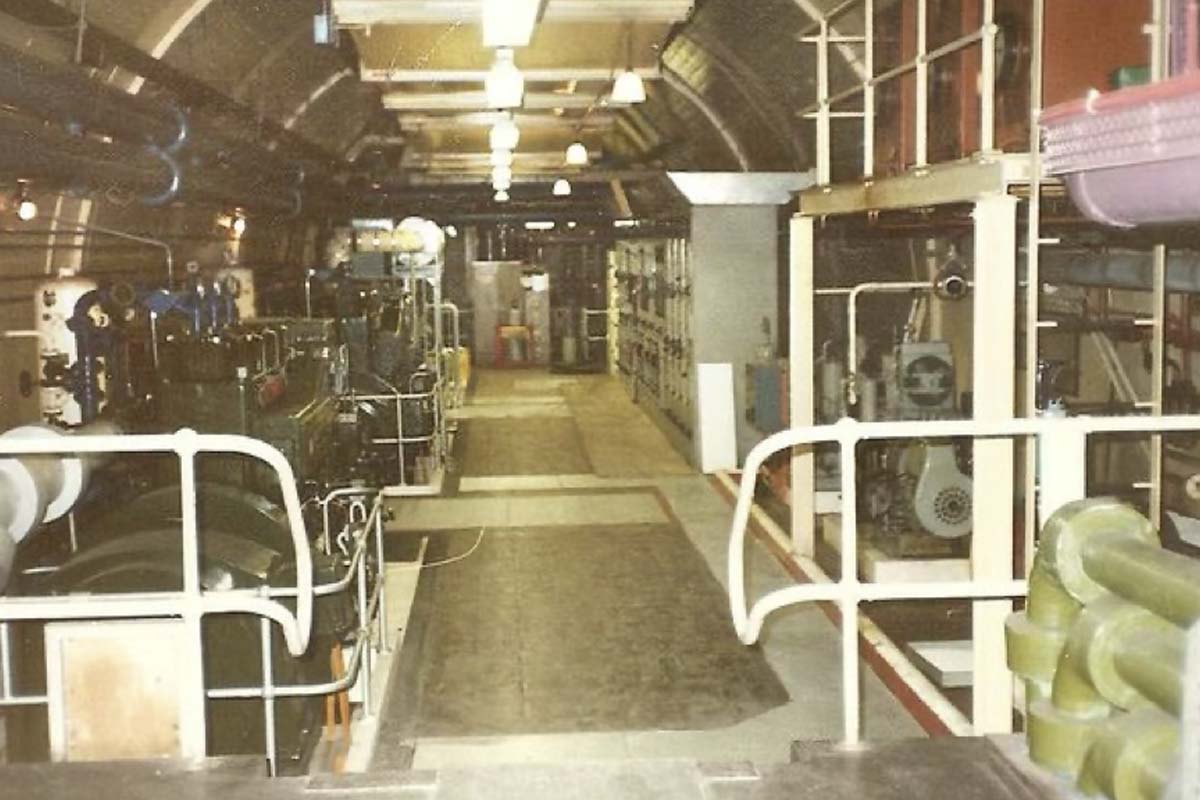
Guardian Underground Telephone Exchange (Keith Warrander)
Want to listen instead? Click below.
The Old Pint Pot today is a student hotspot; a perfect place to catch up with friends in the sun while overlooking the Irwell. Interestingly, the pub stands on the site of the former tennis court of Adelphi House, a convent school that closed in 1977. All that remains today is the nuns’ headquarters, now part of the University of Salford.
This area is steeped in rumours and urban legends. Across the road, the Crescent pub was said to have been frequented by Marx and Engels while they worked on the Communist Manifesto. Right here at the Old Pint Pot, locals whisper about hidden “caves”- wartime bunkers and passageways said to run from the former WW2 bomb shelter of Adelphi School.
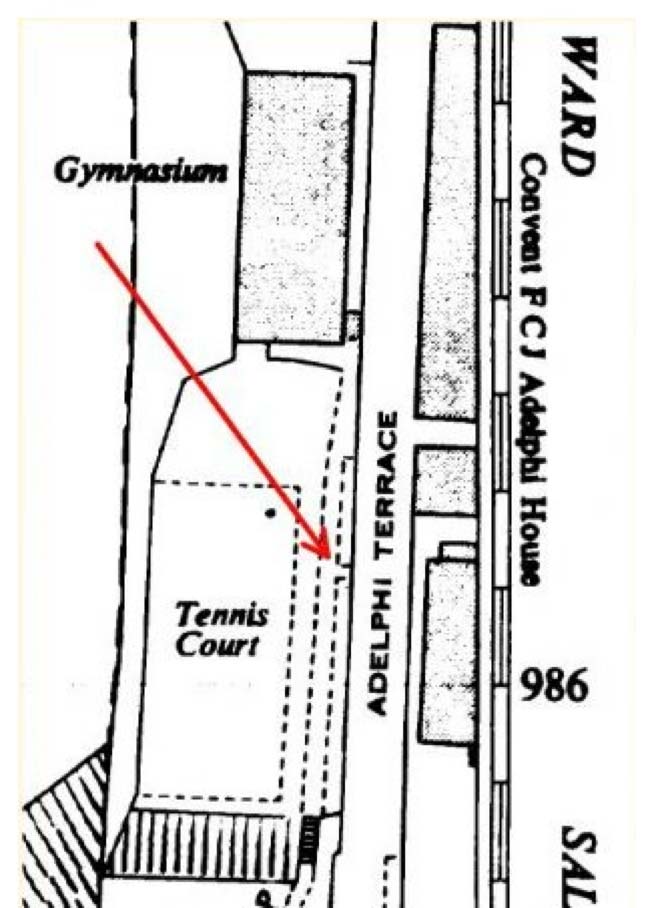
Ordinance Survey map Showing Salford Caves (Salford Star)
While these stories remain unverified, a real tunnel conspiracy exists just further up Chapel Street. The Guardian Underground Telephone Exchange (GUTE) is a purpose-built Cold War installation constructed deep beneath the streets in the 1950s.
During the height of East-West tensions – when fear of nuclear war was at its peak – the British government commissioned a series of underground telephone exchanges to maintain vital communications in the event of a nuclear attack.
Most of the tunnels are located about 30 meters below Manchester’s Chinatown and Piccadilly areas, but a long cable tunnel runs northwest under the Irwell, ending with a shaft just off Chapel Street. The tunnel is so large that staff used bicycles and small vehicles to transport equipment through it.
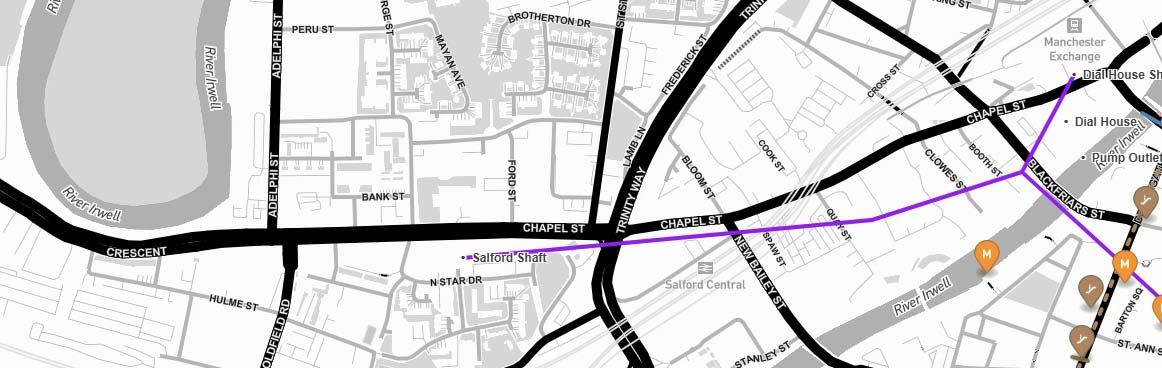
Hidden Manchester Map (Keith Warrander)
Although built with nuclear resilience in mind, the exchange was also a fully operational telephone switching centre, handling domestic and business traffic for Manchester. The complex included heavy blast doors, independent power generators, sophisticated air-filtration systems, and even its own artesian well to ensure a self-contained water supply. For years, the existence of the exchange was covered by the Official Secrets Act, only being acknowledged public in the late 1960s.
Today the tunnel system still exists intact, but most original exchange machinery has been removed. The underground network is now used primarily to carry telecommunications cables into and out of the city.
One dramatic example of its continued relevance came in March 2004, when a fire in the cable tunnels cut off around 130,000 telephone lines across Manchester. The tunnels briefly re-entered public attention on 21 July 2005 – the same day as the failed London bombing attempts. An unrelated break-in at a BT access building connected to the exchange caused disruption to phone lines, and thanks to the tense national atmosphere surrounding the incident was initially treated as a potential terrorist threat. Next time you walk around the city, take a minute to consider what lies under your feet.
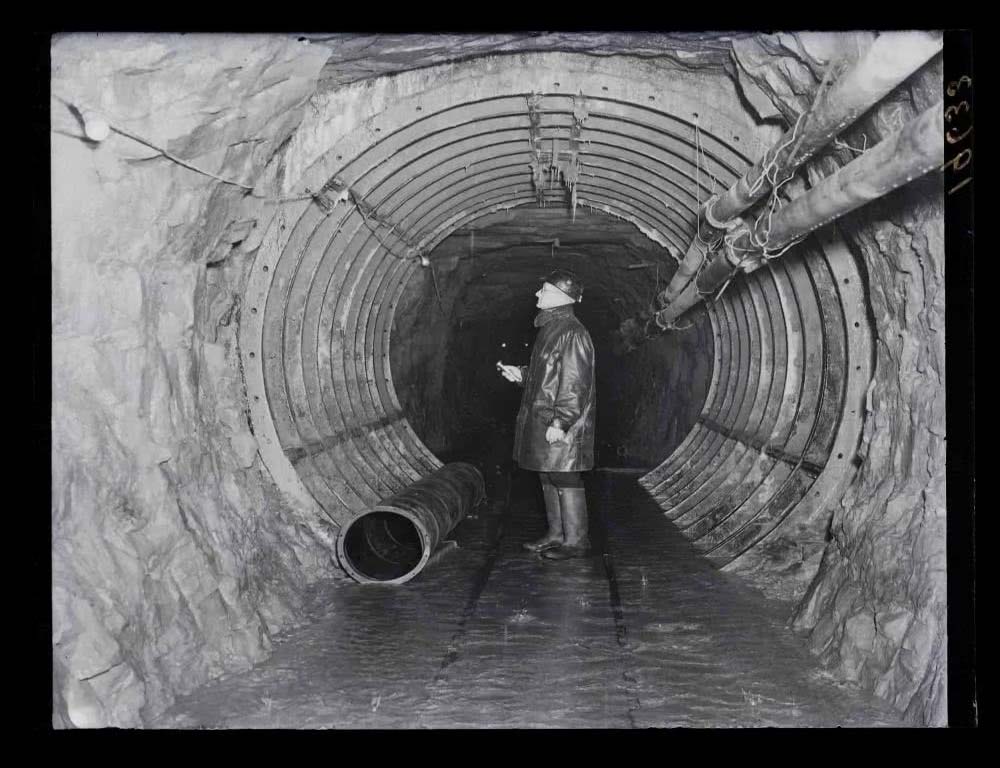
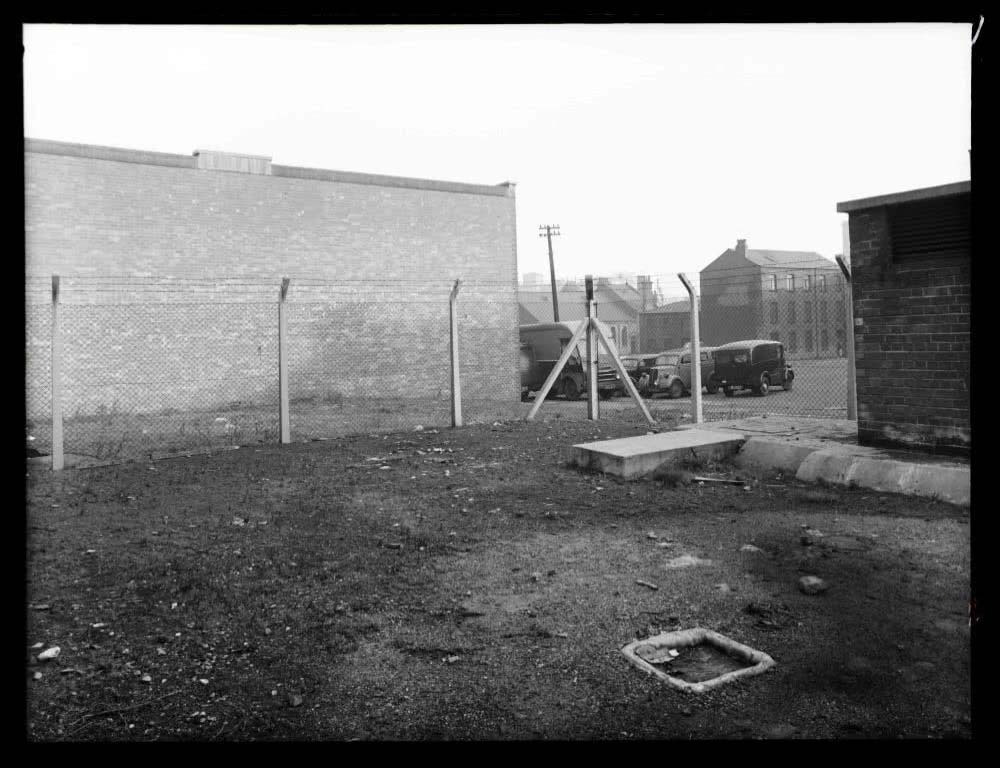
Salford Shaft (BT Heritage Archives)
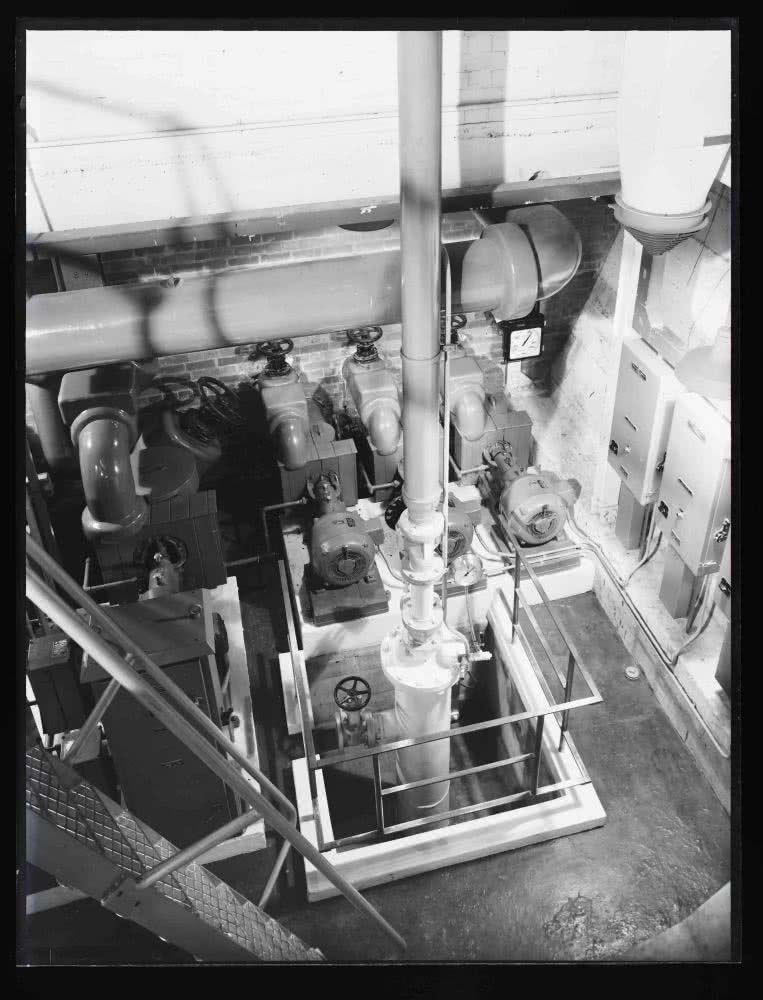
Artesian Well (BT Heritage Archives)
Today the tunnel system still exists intact, but most original exchange machinery has been removed. The underground network is now used primarily to carry telecommunications cables into and out of the city.
One dramatic example of its continued relevance came in March 2004, when a fire in the cable tunnels cut off around 130,000 telephone lines across Manchester. The tunnels briefly re-entered public attention on 21 July 2005 – the same day as the failed London bombing attempts. An unrelated break-in at a BT access building connected to the exchange caused disruption to phone lines, and thanks to the tense national atmosphere surrounding the incident was initially treated as a potential terrorist threat. Next time you walk around the city, take a minute to consider what lies under your feet.
PHOTO CREDIT: BT Heritage Archives, Keith Warrander
Explore the rest of the trail…